

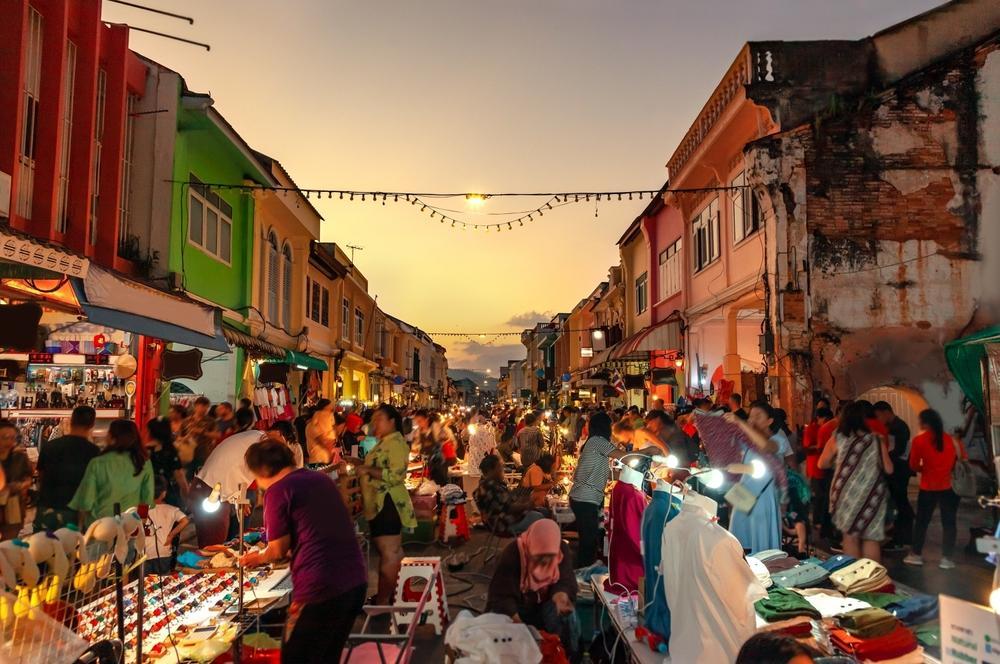
Traveling during peak seasons brings an undeniable magic. Whether it is basking on sunny Mediterranean beaches in mid-summer, witnessing cherry blossoms bloom across Kyoto in spring, or enjoying pristine ski slopes during winter holidays, high-demand periods coincide with ideal weather and vibrant local energy. However, peak season travel also introduces significant challenges, including inflated prices, long lines, overcrowded attractions, and limited availability.
Navigating busy travel windows successfully does not require avoiding popular destinations altogether. Instead, it demands a strategic approach to planning, booking, and daily execution. By shifting your approach to preparation, timing, and local navigation, you can enjoy rich travel experiences without feeling overwhelmed by peak season crowds.
Understanding the Dynamics of Peak Travel Seasons
Peak travel seasons vary significantly depending on geography, weather patterns, school calendars, and local cultural festivals. Major summer months across Europe and North America represent universal peak periods due to school vacations and warm weather. Similarly, dry seasons in tropical regions, festive holiday periods around Christmas and New Year, and major regional events like Oktoberfest create localized spikes in tourism.
When demand outpaces capacity, airlines, hotels, and tour operators adjust their pricing dynamically. Recognizing these seasonal spikes allows you to anticipate higher expenses and implement strategies that protect your budget and time.
Advance Booking and Capitalizing on Early-Bird Windows
Spontaneity is a luxury best reserved for the off-season. When traveling during high-demand months, waiting until the last minute usually results in sold-out accommodations, unfavorable flight schedules, and premium prices.
Airfare and Transportation Planning
For peak season international travel, monitor and secure airfare five to eight months in advance. For domestic trips, booking three to five months ahead typically yields the best balance between price and seat selection.
-
Reserve Primary Transit Routes First: Lock in main long-haul flights before booking non-refundable regional transport or accommodations.
-
Book Direct Rail and Ferry Tickets: Popular European train lines and island ferry routes sell out weeks in advance during high season. Secure reserved seats on primary transit legs early.
-
Secure Rental Cars Early: Rental vehicle shortages frequently affect island destinations and national park hubs during peak months. Reserve vehicles well in advance with flexible cancellation policies.
Securing Accommodations and Attractions
Hotels and vacation rentals in prime locations fill quickly. Securing lodging six to nine months ahead allows you to stay within walking distance of primary sights, saving valuable commuting time every day.
Furthermore, major global attractions, including national parks, historical museums, and iconic landmarks, now require advance timed-entry reservations. Purchase entrance tickets online weeks before departure to skip ticket-counter lines and guarantee admission.
Strategic Timing to Beat Daily Crowds
Even in densely populated tourist hotspots, daily visitor flow follows predictable patterns. Adjusting your daily schedule slightly puts you ahead of tour groups and peak crowds.
Master the Early Morning and Late Evening Hours
Tour buses and day-trippers typically arrive at major landmarks between ten in the morning and three in the afternoon. Plan to visit top-tier sights at sunrise or right when doors open.
-
Sunrise Sightseeing: Popular public plazas, iconic viewpoints, and historic streets are peaceful at dawn, offering optimal lighting for photography without crowds.
-
Late-Day Admissions: Many popular museums and historic sites experience a second drop in attendance during late afternoon or early evening hours before closing.
-
Midday Downtime: Reserve peak midday hours for relaxed sit-down lunches, indoor museum visits, or resting at your hotel, staying away from intense heat and busy streets.
Adopting an early-to-rise schedule transforms how you experience famous destinations, turning chaotic spots into serene highlights.
Finding Balance in Alternative Neighborhoods and Secondary Sights
One of the most effective ways to navigate high-volume tourism is expanding your itinerary beyond primary tourist corridors. Major cities feature rich secondary neighborhoods and lesser-known attractions that offer authentic local experiences with far fewer visitors.
Explore Beyond the Main Tourist Hubs
Instead of spending your entire trip within the immediate radius of famous landmarks, venture out into residential districts or neighboring towns.
-
Dine in Residential Neighborhoods: Restaurants located several blocks away from major attractions typically offer superior regional cuisine, reasonable prices, and relaxed service.
-
Discover Secondary Museums: Major cities host specialized galleries, historic homes, and smaller museums that match the quality of world-famous institutions without long entrance lines.
-
Take Regional Day Trips: Take advantage of local train networks to explore quieter towns, coastal villages, or nearby nature reserves situated just outside major metropolitan areas.
Interspersing famous highlights with quiet local discoveries keeps your itinerary varied and enjoyable.
Financial Strategies for High-Demand Travel
Peak season travel requires clear financial management to avoid unexpected budget overruns. Higher baseline costs for lodging and transit mean finding targeted areas to optimize spending.
Use Loyalty Points and Flexible Payment Cards
Loyalty programs and credit card rewards points offer significant value during high-demand windows. Because cash prices for hotel rooms and flights spike significantly during peak season, redemption value per reward point often reaches its highest levels.
Build Flexible Contingency Buffers
Inflated prices leave less margin for error. Build a dedicated ten to fifteen percent contingency fund into your overall travel budget to cover unexpected surge pricing for rideshares, last-minute ticket changes, or dining price adjustments during peak holiday periods.
Packing Light and Streamlining Daily Logistics
Navigating crowded airport terminals, busy train stations, and cobblestone streets is significantly harder when carrying heavy luggage. Streamlining your belongings removes unnecessary daily friction.
-
Stick to Carry-On Luggage: Avoid lost baggage delays and speed up your arrival process by traveling with a single carry-on bag and a compact personal item.
-
Utilize Digital Documents: Store offline digital copies of boarding passes, train reservations, hotel vouchers, and timed-entry tickets on your smartphone for quick retrieval.
-
Pack Adaptable Clothing: Choose versatile, layerable garments that suit shifting weather conditions and fit diverse dress codes without packing extra shoes or bulky coats.
Traveling light keeps you agile, allowing you to move through transit hubs smoothly while keeping your belongings secure in crowded spaces.
Embracing Patience and Maintaining a Flexible Mindset
No matter how thoroughly you plan, peak season travel involves occasional delays, crowded spaces, and minor disruptions. Maintaining a patient, adaptable attitude is the single most important asset you can bring on your trip.
Build buffer time into your daily schedule between activities rather than packing every hour with rigid appointments. When unexpected delays happen, view them as natural components of peak travel rather than itinerary failures. Patience allows you to enjoy the atmosphere, interact pleasantly with local service personnel, and appreciate your surroundings.
Frequently Asked Questions
How far in advance should I book flights for peak summer travel?
For international travel during peak summer months, book flights five to eight months before departure. For domestic peak travel, secure airfare three to five months in advance to secure favorable flight times and reasonable rates.
What is the best strategy for dining at popular restaurants during high season?
Research dining options and make dinner reservations several weeks or months in advance through digital booking tools. If top restaurants are fully booked, consider visiting for lunch, arriving right when doors open for walk-in bar seating, or dining in residential neighborhoods outside the tourist center.
Are guided tours worth the cost during peak travel seasons?
Yes, specialized guided tours are particularly valuable during peak seasons. Many accredited tour operators offer skip-the-line access to high-demand attractions, and knowledgeable local guides navigate crowded spaces efficiently while providing rich historical context.
How can I avoid long lines at major tourist attractions if tickets are sold out?
Look for combination passes, official city museum cards, or specialized morning and evening tours, which often hold separate ticket allocations. Alternatively, visit early in the morning before ticket windows open to check for last-minute cancellation slots.
Is purchasing travel insurance more important during peak season?
Yes. High travel volumes increase the likelihood of flight delays, missed connections, lost luggage, and sudden schedule changes. Comprehensive travel insurance protects your financial investment against unforeseen cancellations, trip interruptions, and medical emergencies.
How can I find quiet places in overcrowded major cities?
Seek out public botanical gardens, neighborhood residential parks, high-floor hotel lounges, historic libraries, and places of worship. These spaces typically maintain quiet, respectful environments even in the middle of bustling tourist centers.
Should I rent a car when visiting major European cities in peak summer?
In major European cities, renting a car is usually inefficient due to heavy traffic, expensive parking fees, and restricted driving zones. Relying on high-speed rail networks, public transit, and walkable itineraries is faster, less expensive, and far less stressful.

Comments are closed.