

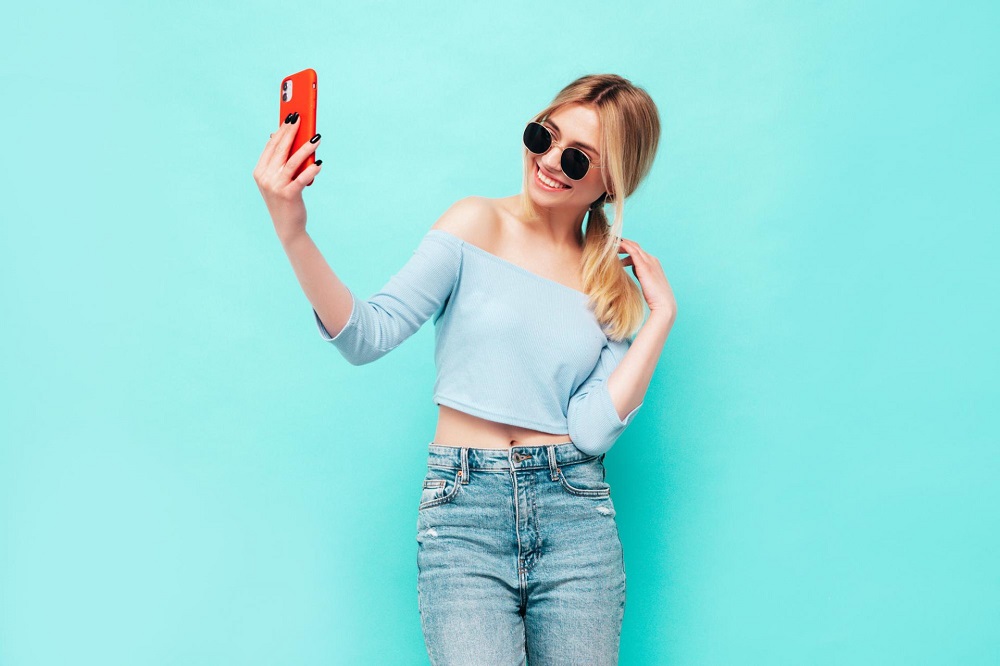
The global fashion industry has undergone a radical transformation over the past two decades. Historically, a small circle of fashion editors, luxury design houses, and high-end runway shows dictated what people wore. Trends trickled down slowly through seasonal collections, taking months or even years to reach mainstream retail stores. Today, social media platforms have completely dismantled this top-down hierarchy, shifting control of fashion trends directly into the hands of internet users, content creators, and digital communities.
From short-form video apps to visual photo-sharing networks, social media platforms have democratized fashion choices while accelerating the speed at which styles emerge, peak, and disappear. Understanding the deep relationship between social media and fashion reveals how digital culture influences what we wear, how we shop, and how personal style is expressed in the modern age.
The Shift From Runway Dictates to Algorithmic Virality
Before the internet became the center of visual culture, fashion houses presented spring and fall collections to an exclusive audience of buyers and magazine editors. These gatekeepers then decided which garments made it into print publications and department store racks. Consumers picked up fashion cues from physical magazines, television broadcasts, and local peer groups.
Social media eliminated these gatekeepers. Algorithms now curate visual feeds based on immediate user engagement rather than editorial authority. An outfit video posted by a college student in their bedroom can reach millions of views within hours, sparking a worldwide trend faster than any traditional fashion house can assemble a single runway collection.
-
Democratization of Influence: Anyone with a smartphone can share styling tips, thrift hauls, or outfit inspirations, giving everyday consumers unprecedented influence over trend creation.
-
Instant Visual Feedback: Likes, comments, shares, and saves provide real-time data on consumer interest, signaling instantly to brands which silhouettes, colors, and materials are gaining traction.
-
Algorithmic Personalization: Platforms recommend tailored content to users based on niche interests, fostering micro-communities focused on specific aesthetics rather than forcing a single uniform trend onto the masses.
This direct-to-consumer feedback loop means fashion ideas no longer start exclusively on Parisian catwalks; they bubble up from street style captured on phone screens around the globe.
Micro-Trends and the Compression of Fashion Cycles
Traditionally, fashion operated on a twenty-year cycle, where trends from previous decades gradually resurfaced with modern tweaks. Social media has hyper-accelerated this natural rhythm, compressing long-term style movements into short-lived micro-trends.
Micro-trends are hyper-specific aesthetics or individual garments that gain massive popularity online almost overnight, only to fade away within a matter of weeks or months. Concepts like cottagecore, Y2K revival, balletcore, dark academia, and mob wife style represent niche aesthetic packages that consumers can adopt instantly through curated digital content.
The Rise of Aesthetic Core Culture
The phenomenon of assigning the suffix core to internet aesthetics reflects how deeply social media categorizes style. Rather than buying a standalone jacket or pair of boots, consumers are encouraged to purchase an entire visual identity. Algorithms group related garments, makeup routines, interior decor, and playlists under a single umbrella term.
While core culture makes styling accessible and fun, it also creates an appetite for constant novelty. Users feel subtle social pressure to update their wardrobes frequently to keep pace with the latest online trend cycle, making long-term personal style feel increasingly elusive.
Fast Fashion and the On-Demand Supply Chain
The rapid birth of online micro-trends has fundamentally transformed global manufacturing and retail logistics. Traditional clothing brands operate on six-month lead times between design and retail distribution. Modern ultra-fast fashion retailers have restructured their entire supply chains to move from digital concept to delivered product in as little as seven days.
By leveraging real-time data scraped from social media hashtags and viral videos, these companies quickly identify emerging trends, manufacture small batches of garments overseas, and market them directly back to the app feeds where the trend originated.
-
Trend-Driven Manufacturing: Factories produce hyper-targeted inventories tailored specifically to viral online moments rather than broad seasonal predictions.
-
Haul Culture: Video content featuring creators displaying massive quantities of newly purchased clothes normalizes high-volume consumption and single-wear outfits.
-
Impulse Purchasing: Integrated social commerce tools allow users to purchase garments directly inside an app with a few taps, eliminating friction between seeing a trend and buying it.
This seamless connection between content creation and online shopping has elevated clothing from durable goods into temporary disposable consumer products.
The Evolution of Fashion Influencers and Peer Marketing
Influencer marketing has replaced traditional celebrity endorsements as the primary tool for fashion promotion. Early social media marketing relied on mega-influencers with millions of followers. However, consumer skepticism toward polished, heavily sponsored posts has shifted brand focus toward micro and nano-influencers.
Micro-influencers, typically possessing smaller but highly engaged audiences, offer a sense of authenticity and relatability that glossy ad campaigns cannot match. When an influencer shows how a dress fits in natural lighting or explains how to style a basic blazer three different ways, viewers perceive the advice as a genuine recommendation from a friend.
Furthermore, user-generated content acts as continuous, free peer marketing. When average users post fit checks or show off recent purchases, they serve as brand ambassadors to their immediate social networks, driving organic trend adoption without formal advertising budgets.
Digital Sustainability and the Counter-Movement
While social media accelerates overconsumption, it has paradoxically created a powerful platform for sustainable fashion advocacy. As awareness of garment waste and unfair labor practices grows, digital creators are using their reach to promote mindful wardrobe choices.
-
Thrift and Vintage Hauls: Content creators highlight second-hand shopping as an exciting, affordable, and sustainable way to stand out from mass-market trends.
-
Capsule Wardrobes: Videos teaching viewers how to maximize a minimal collection of versatile, high-quality garments combat the urge to buy low-quality trend items.
-
Upcycling and DIY Styling: Tutorials showing how to alter, dye, or repair old clothing empower users to refresh their closets without purchasing new items.
Social media allows sustainability advocates to educate millions about ethical manufacturing, encouraging a growing segment of consumers to value personal style and item longevity over temporary online hype.
The Future of Virtual Fashion and Digital Closets
As social media technology evolves, the definition of clothing itself is expanding into the virtual realm. Augmented reality filters allow users to try on outfits digitally before purchasing, reducing online order return rates. Meanwhile, virtual fashion brands are designing garments that exist exclusively online.
In these digital spaces, users purchase virtual garments to dress their online avatars or overlay high-fashion digital designs onto physical photos of themselves for social media posts. This concept offers an intriguing alternative for trendseekers who want to display cutting-edge looks online without generating physical textile waste.
Frequently Asked Questions
How do algorithms determine which fashion trends go viral?
Social media algorithms prioritize content based on user engagement metrics such as watch time, re-watches, shares, comments, and saves. When a video or image displaying a specific outfit or aesthetic garners rapid interaction, the algorithm pushes that content to broader audience feeds, creating a compounding viral effect that can jumpstart a global trend.
What is the main difference between a macro-trend and a micro-trend?
A macro-trend represents a broad, long-term shift in silhouette, lifestyle, or color palette that lasts for several years or even decades, such as the shift toward casual streetwear. A micro-trend is a hyper-specific, short-lived style aesthetic or item that spikes in popularity on social media for a few weeks or months before quickly fading out.
Why are fast fashion brands able to keep up with social media trends so quickly?
Ultra-fast fashion brands utilize real-time data scraping tools to monitor trending hashtags and viral videos across popular platforms. They combine this digital insight with flexible, local-supplier manufacturing networks, allowing them to design, produce, and list new items online in a matter of days rather than months.
How does social media affect personal style development?
Social media provides endless inspiration and exposes users to diverse global aesthetics they might otherwise never see. However, constant exposure to rapidly changing online trends can make it harder for individuals to develop a stable personal identity, often leading people to adopt pre-packaged internet aesthetics rather than curating a unique wardrobe slowly over time.
What is aesthetic core culture in online fashion?
Aesthetic core culture refers to the social media practice of categorizing hyper-specific visual themes by adding the suffix core to a descriptive word, such as cottagecore or gorpcore. These concepts package clothing, accessories, hair, makeup, and lifestyle elements into a complete, easy-to-copy digital identity.
How are sustainable fashion advocates using social media to combat overconsumption?
Sustainable fashion creators use social media to share educational content about garment care, thrifting techniques, capsule wardrobes, and clothes-swapping. By demonstrating how to restyle existing wardrobe items creatively, they challenge the social media pressure to buy new clothes constantly and highlight the environmental impact of fast fashion.
Can virtual fashion help lessen the environmental footprint of fashion trends?
Virtual fashion allows consumers to wear and display digital-only garments on social media profiles or inside digital environments without using raw materials, water, or physical shipping. While it cannot replace everyday physical clothing, it offers a creative, zero-waste outlet for social media users who enjoy experimenting with bold, trend-focused looks purely for online presentation.

Comments are closed.