

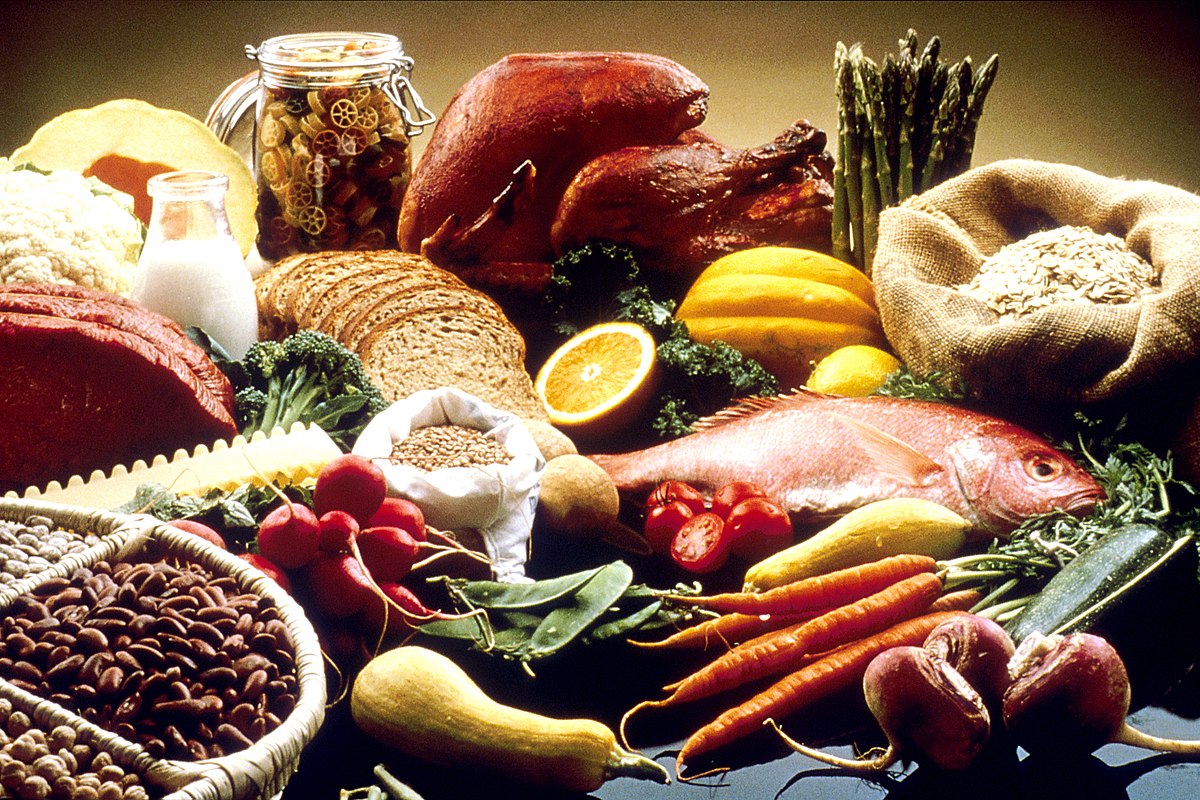
Food is more than sustenance; it is memory, culture, art, and emotion woven together on a plate. It reflects who we are, where we come from, and how we choose to live. From the sizzle of street-side stir-fries to the delicate composition of a Michelin-starred dish, food is both a necessity and a celebration of human creativity. It comforts, surprises, and unites us in ways few other experiences can.
In this article, we delve into the profound significance of food beyond its nutritional value, exploring its cultural weight, emotional resonance, and evolving place in our global society.
The Cultural Language of Cuisine
Every dish tells a story, shaped by geography, history, and heritage. Cuisine is often a living embodiment of a region’s identity. Through recipes passed down through generations, food becomes a cultural archive—rich with symbolism, ritual, and tradition.
Key cultural roles of food include:
-
Ritual and celebration: From birthday cakes to holiday feasts, food plays a central role in marking life’s milestones and sacred days.
-
Heritage and memory: Traditional dishes tie individuals to their ancestry. A grandmother’s recipe is more than a meal; it is a tangible piece of family history.
-
Cultural diplomacy: Food serves as a gentle ambassador between nations. Culinary exchanges foster understanding where words may fail.
Think of how Italian pasta, Indian curry, or Japanese sushi has transcended borders—embraced globally while still rooted in local identity.
The Science and Nutrition Behind Eating Well
While food delights our senses, it also fuels our bodies. The science of nutrition continues to evolve, revealing how food impacts everything from energy levels to long-term health outcomes.
Elements of a balanced diet include:
-
Macronutrients: Proteins, fats, and carbohydrates provide energy and structural components for the body.
-
Micronutrients: Vitamins and minerals support cellular functions, immunity, and mental performance.
-
Fiber and hydration: Essential for digestion, detoxification, and metabolic efficiency.
Modern challenges such as processed foods, added sugars, and sedentary lifestyles have made mindful eating more important than ever. As awareness grows, so does the movement toward whole, plant-rich, and nutrient-dense diets.
Food and Emotion: The Comfort Connection
There is an undeniable emotional relationship between food and the human psyche. Certain flavors can trigger memories, while specific meals offer comfort during times of stress or sadness. This link between taste and emotion has deep psychological roots.
Common emotional roles of food:
-
Comfort food: Warm soups, rich casseroles, or familiar desserts evoke feelings of security and nostalgia.
-
Celebration food: Lavish meals are often used to mark achievements or joyful moments.
-
Stress eating: Emotional distress may drive unhealthy eating patterns, underscoring the need for balanced mental and nutritional well-being.
Understanding this emotional component can lead to healthier relationships with food, where eating becomes intentional rather than impulsive.
The Globalization of Taste
In an increasingly interconnected world, culinary boundaries are more fluid than ever. Fusion cuisine, international restaurants, and global ingredients have become the norm in major cities. While this offers exciting diversity, it also brings up complex questions of authenticity and appropriation.
Current global food trends include:
-
Fusion and innovation: Combining culinary traditions—like Korean tacos or sushi burritos—reflects the playful side of modern gastronomy.
-
Plant-based revolution: Driven by health, environmental, and ethical concerns, vegan and vegetarian menus are thriving worldwide.
-
Farm-to-table ethics: A growing emphasis on local sourcing, seasonal produce, and sustainability has redefined how food is produced and consumed.
This culinary globalization is not just about access, but about appreciation. Learning the history behind dishes and respecting their roots enriches the global dining experience.
The Sustainability Imperative
Behind every meal lies a footprint. From the water used to grow crops to the emissions produced in transportation, the environmental impact of food is significant. As climate change accelerates, sustainable food practices have become a pressing concern.
Ways to eat more sustainably:
-
Reduce meat consumption: Particularly red meat, which requires vast resources to produce.
-
Support local farmers: Buying seasonal and regional produce reduces transportation emissions.
-
Minimize food waste: Meal planning, composting, and repurposing leftovers contribute to conservation.
Sustainable eating isn’t about deprivation—it’s about thoughtful choices that honor both the planet and future generations.
The Role of Food in Wellness and Lifestyle
Food is now deeply intertwined with wellness culture. Beyond basic nutrition, individuals are turning to specific diets for improved energy, mental clarity, and disease prevention. This has led to a surge in personalized eating plans like keto, paleo, intermittent fasting, and intuitive eating.
Popular wellness-related food concepts:
-
Superfoods: Ingredients like turmeric, chia seeds, and kale are prized for their high antioxidant and nutrient density.
-
Mindful eating: Emphasizes presence and gratitude during meals, encouraging slower eating and greater appreciation.
-
Holistic nutrition: Focuses on food’s role in the overall harmony of body, mind, and spirit.
Wellness-oriented dining has transformed food from something we consume passively into a key aspect of self-care.
Culinary Creativity: Food as Art
In the hands of a skilled chef, food becomes art. From meticulously plated fine dining to bold street food creations, culinary artistry is a feast for the senses. Presentation, texture, color, and composition all play roles in how food is experienced.
Aspects of culinary creativity:
-
Molecular gastronomy: Scientists and chefs collaborate to reimagine food using physics and chemistry.
-
Artful plating: Visual aesthetics are now as important as taste, especially in the age of social media.
-
Experimental pairings: Unconventional ingredient combinations push boundaries and redefine palates.
Whether in haute cuisine or home kitchens, creativity elevates food from mere necessity to soulful expression.
A Universal Language
Food, in all its forms, speaks a universal language. It connects strangers, bridges cultural divides, and brings families together. It is shared in celebration, solace, and solidarity. In times of war and peace, poverty and abundance, food remains a symbol of life and love.
At its best, food is a unifying force. It reminds us of our shared humanity—our need to nourish, to gather, to savor. In every bite, there is a story waiting to be told, a memory to be made, a connection to be felt.

Comments are closed.