

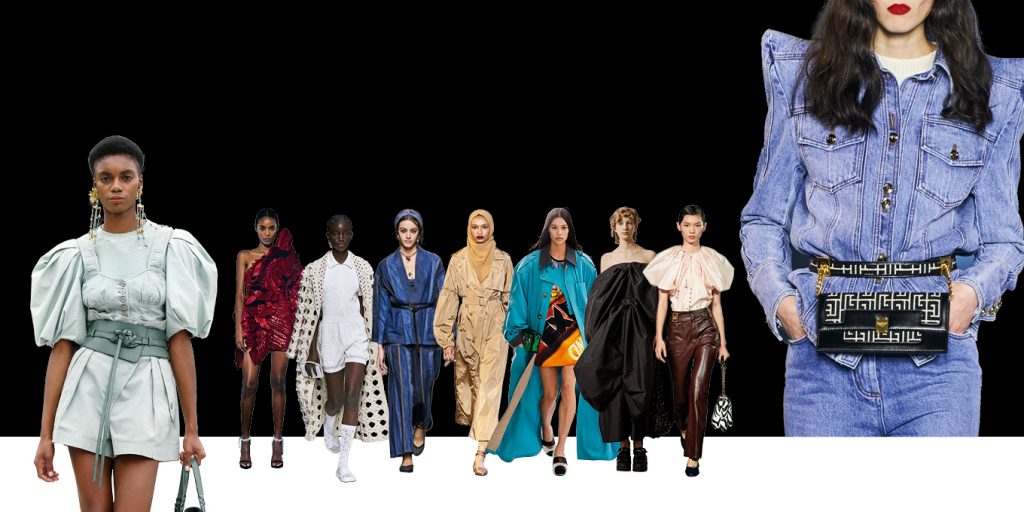
Fashion is often dismissed as superficial, a mere matter of clothes and accessories. But to perceive it this way is to overlook its deeper significance. Fashion is, in truth, a dynamic language—an expression of individuality, culture, history, and identity. It is both a reflection of societal norms and a rebellion against them, a fusion of tradition and innovation. From ancient ceremonial robes to modern streetwear, fashion has always served as a canvas upon which humanity paints its ideals, anxieties, and aspirations.
This article explores the multifaceted world of fashion, its cultural and historical importance, its constant evolution, and its profound impact on how we see ourselves and one another.
The Essence of Fashion: More Than Just Style
Fashion is not merely about following trends or wearing designer labels. At its core, it is a mode of communication. What one wears tells a story—whether intentionally or not—about status, beliefs, personality, and context.
Key purposes fashion serves:
-
Self-expression: Clothing is an outward expression of inner identity. Through fashion, individuals communicate their mood, values, and uniqueness.
-
Social signaling: Historically, dress codes have often been used to denote class, profession, or social role.
-
Cultural preservation: Traditional garments help preserve heritage, connecting individuals with their ancestry and shared customs.
Thus, fashion is a social and cultural artefact. It is never static, and its meanings are always evolving.
A Historical Thread: How Fashion Has Evolved Over Centuries
To understand modern fashion, it helps to look back. In every era, fashion has mirrored the prevailing ideologies and technologies of its time.
-
Renaissance opulence: Lavish fabrics and intricate tailoring symbolized power and wealth during the European Renaissance. Clothing was a visual assertion of hierarchy.
-
Industrial revolution: Mass production brought about the birth of ready-to-wear fashion, making stylish clothing accessible to a broader population.
-
20th century revolutions: From the flapper dresses of the 1920s to the countercultural looks of the 1960s and the minimalism of the 1990s, each decade carried its own aesthetic voice, shaped by political, social, and economic changes.
Fashion history is, in many ways, a timeline of human progress, punctuated by war, liberation, feminism, migration, and artistic revolutions.
Modern Fashion: A Global Tapestry of Influences
Today, fashion is an ever-evolving global conversation. Designers, influencers, and consumers around the world contribute to a richly layered style ecosystem.
Modern fashion is shaped by:
-
Cultural fusion: Designers are drawing from diverse traditions, blending Japanese kimonos with Western tailoring, or African prints with Scandinavian minimalism.
-
Digital influence: Social media platforms like Instagram and TikTok serve as trend incubators, where styles can go viral overnight.
-
Streetwear revolution: What was once considered niche urban wear is now a dominant global trend, with luxury houses collaborating with streetwear brands to appeal to younger audiences.
Fashion no longer flows strictly from elite runways to the public; it is now a democratic, two-way exchange between cultures and communities.
The Sustainable Fashion Movement
As awareness of climate change and ethical labor practices grows, the fashion industry is facing an overdue reckoning. Fast fashion—characterized by cheap, disposable clothing and exploitative manufacturing—has been called out for its environmental and human costs.
Key shifts in sustainable fashion include:
-
Eco-conscious materials: Organic cotton, bamboo, hemp, and recycled fabrics are becoming mainstream choices for responsible designers.
-
Slow fashion: This movement encourages consumers to buy fewer, higher-quality items and embrace timeless designs over fleeting trends.
-
Transparency in supply chains: Ethical brands are prioritizing fair labor practices and open disclosure of sourcing and production methods.
Sustainability is no longer a niche concern; it is the future of fashion. Consumers, particularly millennials and Gen Z, are demanding style with substance.
Fashion and Identity: The Politics of Dressing
Fashion intersects deeply with issues of gender, race, and politics. What one wears can be an act of resistance or alignment, a form of liberation or conformity.
Notable identity-driven trends:
-
Gender-fluid fashion: Traditional boundaries between menswear and womenswear are dissolving. Androgynous styles and unisex collections are redefining norms.
-
Cultural reclamation: Marginalized communities are reclaiming traditional attire—such as Indigenous beadwork or Afrocentric prints—as statements of pride and resilience.
-
Activist fashion: Slogans on T-shirts, symbolic color choices, or specific patterns have become tools for political expression, from climate activism to racial justice.
In this sense, fashion is never apolitical. It is one of the most visible ways in which we navigate identity and power structures in society.
The Future of Fashion: Innovation and Imagination
As the industry enters a new era, innovation is reshaping not just what we wear, but how we interact with fashion.
Emerging trends and technologies:
-
Virtual fashion: Digital garments and virtual fittings are becoming popular in gaming platforms and metaverse environments, where fashion is free from physical limitations.
-
AI and data-driven design: Artificial intelligence is now helping predict trends, personalize recommendations, and even create new clothing patterns.
-
Wearable tech: Smart clothing—integrating technology for health monitoring, fitness tracking, or even aesthetic changes—is redefining functionality in fashion.
Technology is not replacing creativity but enhancing it, allowing designers to dream beyond fabric and form.
The Enduring Allure of Fashion
At the heart of fashion’s enduring appeal is its capacity for transformation. It allows us to reinvent ourselves, to find confidence, to make statements without speaking a word. It is a daily ritual that connects us to history, culture, and community.
But perhaps most importantly, fashion is joy. It is color in a grey world, art in motion, and emotion made wearable. Whether through the elegance of a tailored suit, the comfort of a favorite sweater, or the drama of couture, fashion touches the intimate and the infinite alike.
In a world of uncertainty, fashion reminds us that expression, creativity, and beauty are never out of reach. It is, and always will be, an essential part of what makes us human.

Comments are closed.