

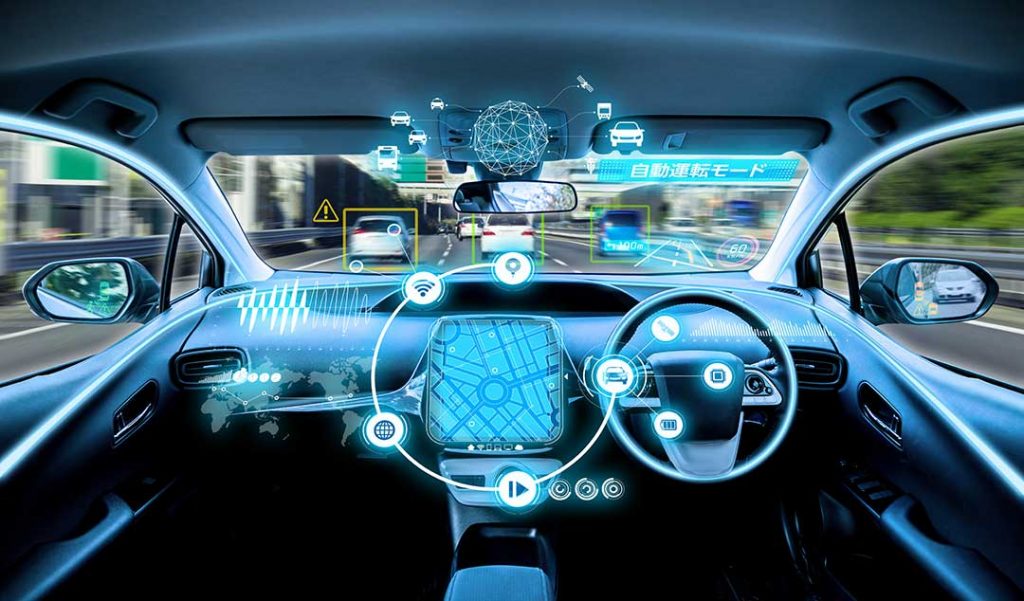
The automobile has always been more than just a machine—it is a symbol of freedom, innovation, and progress. From the first steam-powered contraptions to today’s AI-assisted electric vehicles, the automotive industry has constantly reinvented itself to meet the shifting demands of society, economy, and environment. This article explores the current state of the auto world, examining technological advancements, consumer trends, and cultural shifts, while considering what lies ahead in the world of mobility.
A Brief Reflection on Automotive History
Cars have come a long way since Karl Benz introduced the first gasoline-powered vehicle in 1885. The 20th century witnessed an explosion of growth in both car production and ownership, particularly in industrialized nations. The Model T by Ford revolutionized mass production, making automobiles accessible to the average person. As decades passed, design, safety, and performance took center stage, giving rise to muscle cars, luxury sedans, and the global obsession with speed and style.
However, the last two decades have pushed the industry into a new era—one that emphasizes sustainability, efficiency, and digital connectivity.
The Rise of Electric Vehicles (EVs)
At the heart of the modern auto revolution is the rise of electric vehicles. With climate change becoming an undeniable reality, governments and manufacturers alike are turning to EVs as a cleaner alternative to internal combustion engines.
Key reasons behind the EV boom:
-
Environmental Responsibility: EVs produce zero tailpipe emissions, contributing significantly to the reduction of urban air pollution.
-
Government Incentives: Subsidies, tax rebates, and regulatory mandates are accelerating the adoption of electric vehicles worldwide.
-
Technological Innovation: Advancements in lithium-ion battery technology have extended the range and performance of EVs, making them more viable for everyday use.
-
Growing Infrastructure: Expansion of public charging networks is reducing range anxiety and making long-distance travel more feasible.
Brands like Tesla, Rivian, Lucid Motors, and even legacy automakers such as Ford and Volkswagen are investing heavily in electric mobility. In many ways, the EV market represents not just a shift in fuel type, but a reinvention of the entire driving experience.
Autonomous Vehicles: From Science Fiction to Reality
Autonomous or self-driving cars were once a dream confined to sci-fi novels and futuristic films. Today, thanks to companies like Waymo, Cruise, and Tesla, that dream is slowly becoming a reality. These vehicles use a complex web of sensors, cameras, LIDAR, radar, and machine learning algorithms to navigate roads with little to no human input.
Potential benefits of autonomous technology include:
-
Enhanced Safety: Human error is responsible for over 90% of traffic accidents. Autonomous systems can significantly reduce this risk.
-
Improved Efficiency: Self-driving cars can optimize routes, reduce traffic congestion, and enhance fuel efficiency.
-
Accessibility: Autonomous cars offer new mobility solutions for the elderly and disabled.
Still, challenges remain. Legal liability in the case of accidents, ethical dilemmas in decision-making algorithms, and public trust in AI-driven systems are ongoing concerns. The road to full autonomy is long, but progress continues steadily.
Connectivity and Smart Integration
The modern automobile is as much a digital device as it is a mode of transportation. Cars today come equipped with sophisticated infotainment systems, cloud-based navigation, smartphone integration, and even voice-controlled assistants.
Key trends in automotive connectivity include:
-
Vehicle-to-Everything (V2X): This technology enables cars to communicate with other vehicles, infrastructure, and pedestrians to improve safety and traffic management.
-
Over-the-Air (OTA) Updates: Similar to smartphones, vehicles can now receive software updates remotely, allowing for feature enhancements and bug fixes without visiting a service center.
-
Smartphone as Key: Many new models allow drivers to unlock, start, and monitor their car remotely using an app.
These advancements signify a broader convergence between the auto industry and the tech world, blurring the lines between transportation and digital experience.
Changing Consumer Preferences and Design Philosophy
Today’s car buyers are more informed, discerning, and diverse than ever before. The demand is not just for performance and aesthetics, but for sustainability, functionality, and digital convenience.
Current trends shaping auto design include:
-
Minimalist Interiors: Touchscreen interfaces, fewer buttons, and streamlined dashboards define the interiors of modern vehicles.
-
Customization: Consumers can now personalize features from upholstery to driving modes, making each vehicle feel tailored.
-
Sustainable Materials: Eco-conscious buyers are drawn to interiors made from recycled or vegan materials.
In urban areas, the notion of car ownership is also evolving. Car-sharing platforms, subscription services, and micro-mobility options like electric scooters are changing how people perceive personal transportation.
The Future Outlook: What Lies Ahead?
As the auto industry navigates the 21st century, several transformative trends are likely to define its path:
-
Decarbonization: Beyond EVs, the industry is exploring hydrogen fuel cells and synthetic fuels to reduce carbon footprints.
-
Urban Mobility Solutions: Compact electric vehicles, aerial taxis, and modular public transport could redefine how cities move.
-
AI-Powered Personalization: From predictive maintenance to tailored infotainment, AI will play a growing role in personalizing the driving experience.
At the heart of all this change is a renewed commitment to making transportation safer, smarter, and more sustainable.
Final Word
The automobile remains a powerful symbol—not just of movement, but of human ingenuity and progress. Today’s auto industry stands at a thrilling intersection of technology, responsibility, and imagination. Whether it’s the hum of an electric motor, the silent calculations of an autonomous system, or the seamless flow of data through a connected dashboard, the future of automotive innovation promises to redefine not just how we drive, but how we live.
As we steer toward a world of cleaner, smarter, and more connected mobility, one thing remains clear: the auto industry isn’t just keeping up with the times—it’s driving them forward.

Comments are closed.