

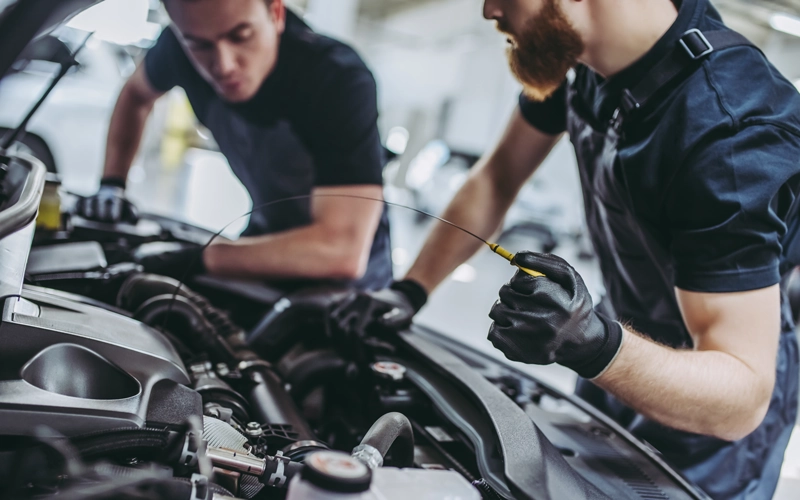
The automotive service industry has underwent a massive transformation over the past two decades. Vehicles were once purely mechanical systems driven by carbs, cables, and hydraulic linkages. Today, light-duty trucks and modern passenger vehicles function as rolling computer networks, containing anywhere from 30 to over 100 Electronic Control Units (ECUs) managing everything from engine combustion parameters to Advanced Driver Assistance Systems (ADAS).
As automotive architecture becomes increasingly complex, traditional hand tools and basic mechanical intuition are no longer sufficient to maintain shop throughput. Automotive technicians now rely on sophisticated electronic, pneumatic, hydraulic, and software-driven tools to execute precise service operations. Understanding how modern automotive shop equipment boosts shop productivity, reduces diagnostic error, and optimizes workflow is vital for service managers, independent repair shop owners, and automotive technicians alike.
Advanced Diagnostics: Accelerating Fault Identification
The diagnostic phase has historically been one of the most time-consuming aspects of auto repair. Technicians previously spent hours running manual pressure tests, conducting electrical continuity checks, or disassembling subassemblies simply to isolate a faulty component. Advanced diagnostic systems streamline this initial assessment step.
High-Speed OBD-II and OEM-Level Scan Tools
Modern OBD-II scan tools do much more than read basic Diagnostic Trouble Codes (DTCs). Contemporary bidirectional scan tools interface directly with CAN bus networks to monitor live sensor parameters, actuate vehicle components remotely, and execute recalibration routines.
-
Live Data Stream Plotting: Technicians can graph real-time data inputs such as oxygen sensor waveforms, mass air flow rates, and fuel trim values simultaneously. Identifying irregular signal spikes takes seconds rather than hours of component testing.
-
Bidirectional Control Testing: Instead of manually tearing down a door panel to test a window motor or pulling a relay to check a fuel pump, technicians can command the module to energize the component directly from the tablet interface.
-
Topology Mapping: Premium diagnostic equipment presents a visual layout of the vehicle network, highlighting unresponsive modules in red and flagging fault communication pathways instantly.
Digital Storage Oscilloscopes (DSOs)
When inter-module communication glitches or intermittent sensor failures escape basic scan tool polling, digital storage oscilloscopes step in. DSOs capture voltage signals over ultra-fast time intervals, revealing hidden signal noise, frayed wiring resistance, and failing ignition coils that standard multimeters miss entirely.
Precision Ergonomics and Power Tools
Efficiency in the service bay depends heavily on physical execution speed and technician endurance. Repetitive manual ratcheting leads to fatigue, joint wear, and slower production throughout an eight-hour shift. Modern power tools and ergonomic workshop fixtures address these mechanical bottlenecks.
Cordless High-Torque Impact Wrenches
The transition from pneumatic air hoses to brushless cordless battery systems represents a massive step forward for shop mobility and setup speed.
-
Elimination of Air Line Obstructions: Cordless tools eliminate the need to drag heavy air hoses across the shop floor, removing tripping hazards and reducing setup time per vehicle.
-
Precision Torque Output: Advanced brushless cordless impact drivers offer selectable torque settings, delivering up to 1,400 foot-pounds of nut-busting torque while preventing overtightening on delicate fasteners.
-
Electronic Clutch Systems: Modern cordless ratchets automatically stop when reaching preset torque thresholds, protecting aluminum threads and preventing sheared bolt heads.
Specialty Hydraulic and Mechanical Pullers
Removing seized wheel bearings, rusted suspension bushings, or stubborn press-fit gears using hammers or torches damages components and poses safety hazards. Modern hydraulic pullers and vehicle-specific press kits apply thousands of pounds of concentrated force safely and controlled. Operations that once required complete spindle removal and press bench work can now be completed directly on the vehicle hub in half the time.
Digital Calibration and ADAS Realignment Systems
Safety standards in modern passenger cars rely heavily on Advanced Driver Assistance Systems (ADAS), such as automatic emergency braking, lane keep assistance, and adaptive cruise control. Replacing a windshield, performing a wheel alignment, or servicing a front bumper requires precise digital sensor recalibration.
Target-Based Static Calibration Frame Assemblies
Modern repair facilities utilize laser-guided target stands and optical alignment arrays to recalibrate forward-facing cameras and millimeter-wave radar sensors.
-
Precision Distance Calibration: Digital distance sensors ensure the target stand sits at the precise height, angle, and distance from the vehicle center axis specified by the OEM.
-
Integrated Software Workflows: Step-by-step diagnostic software prompts technicians through prerequisite checks, such as fuel level adjustments, tire pressure validation, and ride height verification, before triggering the software flash routine.
Dynamic Calibration Modules
For dynamic ADAS setups, handheld diagnostic modules track target acquisition during controlled test drives. By streaming sensor feedback in real time, the device notifies the technician the moment the radar or camera has successfully learned its zero-point baseline, eliminating guesswork during road testing.
Fluid Exchange and Service Automation
Preventative maintenance represents a high percentage of daily repair shop volume. Performing fluid services using manual drain pans and gravity funnels is slow, messy, and prone to cross-contamination. Automated fluid exchange machines turn routine fluid maintenance into clean, fast procedures.
Automatic Transmission and Coolant Exchange Systems
Automated exchange machines connect inline with vehicle cooling or transmission fluid loops.
-
Simultaneous Fluid Extraction and Injection: These units match the flow rate of the vehicle internal pump, extracting old fluid while injecting fresh fluid at equal pressure. This prevents air locks in complex cooling circuits and avoids fluid starvation in transmission valve bodies.
-
Integrated Degas and Evacuation Vacuum Systems: Vacuum coolant refill tools pull negative pressure on the engine cooling system before introducing fresh coolant. This instantly pulls fluid into every passage without leaving trapped air pockets that cause localized engine overheating.
Digital Inspection and Workflow Management Integration
Modern repair tools extend beyond physical hardware; integrated digital inspection software plays an equally crucial role in shop operational efficiency. Digital Vehicle Inspection (DVI) tools run on ruggedized shop tablets, linking directly to shop management databases.
-
High-Resolution Visual Proof: Technicians capture clear digital photographs and video clips of worn brake pads, leaking struts, or dry-rotted tires directly within the inspection sheet.
-
Automated Customer Communication: DVI platforms text detailed inspection summaries directly to the vehicle owner. Visual proof builds instant customer trust, leading to faster repair approvals and reduced rack downtime while waiting for authorization.
-
Automated Parts Ordering Sync: Diagnostic fault codes and identified maintenance items flow directly into parts ordering software, sourcing the correct components from distributors automatically without requiring manual SKU entry.
Frequently Asked Questions
How do modern diagnostic tools help technicians avoid misdiagnosis?
Modern diagnostic tools provide access to live sensor data, module network maps, and bidirectional actuation tests. Rather than replacing parts based purely on a fault code, technicians can test component responses directly and verify electrical signal integrity with oscilloscopes. This isolates the root cause of an issue before any replacement parts are ordered.
Are cordless electric tools powerful enough to replace pneumatic tools in a professional shop?
Yes. Advances in brushless motor technology and high-density lithium-ion battery platforms allow modern cordless impact wrenches to deliver well over 1,000 foot-pounds of breakaway torque. They equal or exceed the performance of standard pneumatic air tools while eliminating restrictive air hoses.
Why is ADAS calibration equipment necessary after basic mechanical repairs?
Sensors responsible for lane assistance, emergency braking, and adaptive cruise control are mounted to windshields, bumpers, and wheel hubs. Simple services such as a wheel alignment, suspension strut replacement, or bumper removal alter the physical orientation of these sensors. Without precision recalibration using specialized alignment targets, safety systems may miscalculate distances or fail to function correctly.
How do digital vehicle inspections increase overall shop throughput?
Digital vehicle inspections streamline communication between technicians, service advisors, and customers. Technicians document worn components using photos and videos on shop tablets, which are sent directly to the customer mobile phone. Clear visual evidence accelerates approval times, allowing technicians to proceed with repairs without leaving vehicles sitting idle on lifts.
What role do vacuum coolant refill tools play in modern cooling system service?
Modern engine cooling systems feature intricate passages, secondary radiators, and heater cores where air easily gets trapped during standard gravity filling. Vacuum refill tools pull a deep vacuum inside the entire cooling loop, collapsing the hoses. When the fresh coolant valve opens, the atmospheric pressure forces coolant into every corner of the system instantly, eliminating air pockets that cause engine overheating.
How do modern tools help newer technicians perform complex repairs accurately?
Advanced diagnostic tools and digital shop software feature integrated repair databases, guided component tests, step-by-step calibration sequences, and precise torque specifications directly on screen. This guided workflow helps less experienced technicians execute technical repairs accurately while adhering strictly to OEM service guidelines.
Do automated fluid exchange machines improve fluid service quality?
Automated exchange machines ensure complete fluid replacement by matching the vehicle flow rate and using precise inline pressure sensors. Unlike traditional drain-and-fill techniques that leave significant amounts of old fluid inside torque converters or heater cores, automated systems flush out nearly all degraded fluid while preventing air entrapment.

Comments are closed.